
The Cost of the Trade Shortage: Why Infrastructure Electricians Are the New Gold
Across NSW and Victoria, major infrastructure investment is accelerating at a rate unmatched by workforce growth. Rail expansions, tunnelling corridors and large-scale road projects are placing unprecedented strain on the supply of specialist electricians, and the downstream impacts on labour-hire cost, project scheduling and workforce strategy are now strategic risks. Infrastructure Is Expanding…

Across NSW and Victoria, major infrastructure investment is accelerating at a rate unmatched by workforce growth. Rail expansions, tunnelling corridors and large-scale road projects are placing unprecedented strain on the supply of specialist electricians, and the downstream impacts on labour-hire cost, project scheduling and workforce strategy are now strategic risks.
Infrastructure Is Expanding – But the Talent Pipeline Isn’t
Australia is already grappling with a structural shortage of electricians—recent industry commentary flags a national requirement for up to 42,000 additional electricians to meet demand.
On the infrastructure side, a further labour-supply alarm is sounded by a recent report which projects that NSW’s $1.14 trillion public infrastructure pipeline could see a workforce shortfall of 300,000 workers by 2027 – with transport, tunnelling and civil-works trades heavily implicated.
In short: the infrastructure megaprojects in NSW and VIC are proceeding full throttle but the trades, including electricians, are the bottleneck.
Why Infrastructure Electricians Are Now a Premium Resource
Infrastructure workplaces demand far more than general wiring and installation. Roles now demand experience in:
- Rail signalling, low/high voltage rail systems and electrotechnology in metro and tunnel environments
- Tunnelling site power distribution, lighting & temporary works, plus safety systems for underground works
- Road infrastructure electrical works (traffic management systems, intelligent transport systems, large-scale lighting, shutdowns)
- Commissioning, live-site fault diagnostics and high-voltage/low-voltage integration in heavy infrastructure contexts
Because these roles are highly specialised (and because the pool of licenced electricians with this kind of experience is shrinking) demand is exceeding supply. Rail and Transmission in particular are moving through a fast pace of change with unprecedented investment in network infrastructure via upgrades and new builds resulting in skills shortages of overhead line workers.
Put simply: infrastructure electricians are rare, in demand, and commanding a premium.
NSW & VIC: The Hotspots of the Shortage
NSW
- NSW’s massive infrastructure pipeline means rail/tunnel/road electrification roles are heavily contested.
- Regional projects exacerbate the issue: travel, per diems and remote-site costs push up effective labour-hire rates.
- The region faces the broader workforce shortfall mentioned above.
Victoria
- Victoria’s major tunnelling and transport upgrades are placing pressure on electricians with commissioning and heavy infrastructure experience.
- With ambitious housing + infrastructure targets, demand for infrastructure-capable electricians in VIC is significant.
In both states, the combination of heavy civil/infrastructure works plus the specific electrical skills required creates a talent pinch that general trade-labour cannot easily fill.
What This Means for Labour Hire & Workforce Planners
Labour-Hire Pricing Will Continue to Rise
Expect infrastructure-electrical roles to sit at the higher end of your trade rates. Because of limited supply and high demand, contractors engaged in rail, road and tunnel works will pay a premium for electricians that bring the relevant infrastructure experience.
Project Planning Must Account for Extended Lead Times
Securing the right electrician for an infrastructure job may need to happen months in advance. For major works, a delay in electrician capacity can ripple through the schedule.
Skill-Specific Shortages Increase Project Risk
Electrical trades work is often on the project’s critical path. An inability to source the right talent can delay commissioning and expect cost overruns.
Upskilling and Retention Become a Competitive Edge
With persistent shortages, organisations that invest in training (rail-capable electrician pathways, tunnelling-specific electrical skillsets) or partner with training providers stand to gain.
How Connect People Can Help
At Connect People we recognise that infrastructure projects need to treat experienced infrastructure electricians as strategic resources, not just another trade. If your team is engaged in rail, tunnelling or major road projects in NSW or VIC and you’re facing:
- Difficulty securing the right electrician skillsets at the right time
- Rising labour-hire costs or margin pressure on electrical trades
- Pipeline risk due to workforce constraints
…then let’s talk! Connect People can assist you by:
- Developing a dedicated pipeline of electricians with infrastructure experience
- Supporting workforce planning that anticipates lead-time, skill and location constraints
- Advising on labour-hire budgeting and market rate positioning for infrastructure electrical roles
From our blog

The Hidden Cost of a Bad Hire in Civil Construction: Productivity, Safety and Delays
In today’s civil construction and infrastructure environment, hiring decisions carry more weight than ever. Projects are under pressure from tight timelines, cost escalation, labour shortages and increasing compliance expectations. While most hiring conversations focus on speed and availability, the real risk often sits elsewhere: the cost of getting it wrong. A bad hire in civil…
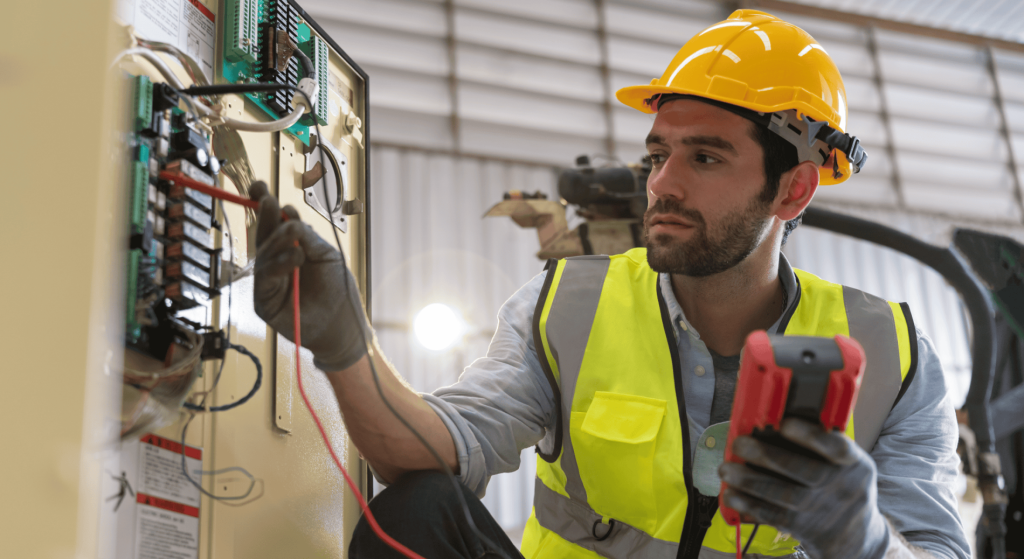
The Cost of the Trade Shortage: Why Infrastructure Electricians Are the New Gold
Across NSW and Victoria, major infrastructure investment is accelerating at a rate unmatched by workforce growth. Rail expansions, tunnelling corridors and large-scale road projects are placing unprecedented strain on the supply of specialist electricians, and the downstream impacts on labour-hire cost, project scheduling and workforce strategy are now strategic risks. Infrastructure Is Expanding…

Infrastructure Skills Gap: Why 197,000 Workers Are Needed by 2025 (and what hiring teams can do about it)
Australia is in the midst of a once-in-a-generation infrastructure boom. But ambitious pipelines of roads, rail, energy and utilities projects are bumping against a hard reality: a deep and growing infrastructure skills gap. In fact, recent forecasts suggest that we will need 197,000 additional infrastructure workers to meet demand in 2025. The scale…

CONNECT PEOPLE SIGNS “THE PLEDGE” WITH SOLDIER ON
Connect People are proud to announce an exciting new partnership with Soldier On as a Bronze Pledge Partner. Founded in 2012, Soldier On has grown into Australia’s only national, fully integrated support services provider for members of the Australian Defence Force (ADF) and their families. Through the delivery of holistic services, Soldier On provides support to those who…

Connect People appoints Indigenous Ambassador, Dean Rioli
Connect People are proud to announce the engagement of Dean Rioli as our Indigenous Ambassador. Dean is committed to improving Indigenous health and wellbeing, working to reduce economic disadvantage and exclusion by linking Aboriginal people to jobs and the creation of businesses capabilities. Connect People and Dean will be working together to support our Clients in…

SUPPORTING BACKPACKS 4 VIC KIDS
Connect People is proud and excited to be actively supporting Backpacks 4 VIC Kids, a registered not-for-profit charitable organisation run by volunteers. Their purpose is to aid displaced children by providing the essentials needed most urgently, long before any arrangements have been made to further support them. For example, often children are placed quickly into foster…
CONNECT PEOPLE ENGAGED ON MONASH FREEWAY UPGRADE – STAGE 2
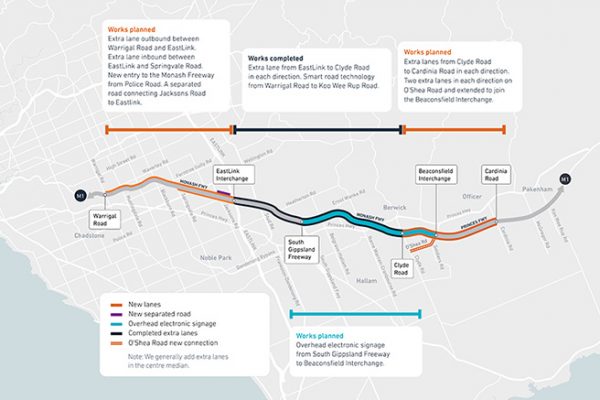
Connect People is excited to be a supplier to CPB Contractors – Monash Upgrade (Stage 2). Connect People is proud to be involved with the project. Image courtesy of Major Roads Projects Victoria. Monash Stage 2 Construction commenced in early 2020 and expect to complete construction in 2022. For Stage 2, we’ll: add 36kms of new…
CONNECT PEOPLE SUPPORTS RAIL INFRASTRUCTURE ALLIANCE (RIA)
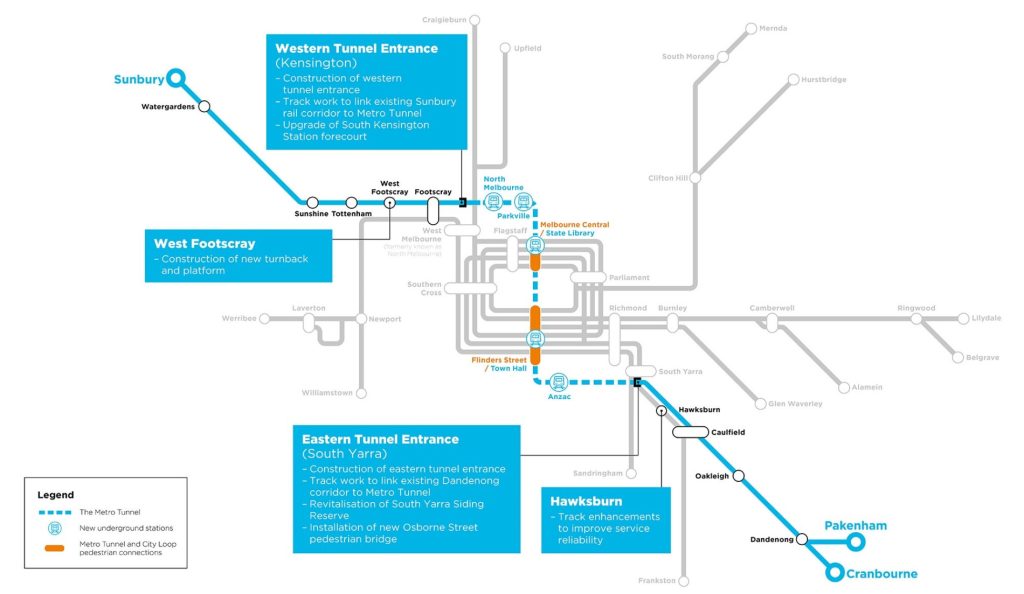
Connect People is excited to be a supplier to Rail Infrastructure Alliance (RIA), the last major contract awarded as part of the Metro Tunnel project. The RIA consortium comprises John Holland, CPB Contractors and AECOM, and is responsible for delivering the tunnel entrances in South Yarra and Kensington. Connect People is proud to be involved…

LABOUR HIRE LICENSING IS HERE
Labour Hire Providers operating in the state of Victoria must now hold a Labour Hire License (LHL) to operate legally under the Labour Hire Licensing Act 2018 (Vic). The legislation came into effect on 29 April 2019, with the Labour Hire Authority overseeing a 6 month transition period allowing providers time to lodge a license…

CONNECT PEOPLE ENGAGED ON MONASH UPGRADE
Connect People is excited to be a part of an exciting Victorian infrastructure initiative – the Monash Freeway Upgrade Project. Supplying workforce services to principal contractor Fulton Hogan, Connect People will support the delivery of the project which will see additional lanes from EastLink to Clyde Road and improved traffic flow through the implementation of smart…