
The Hidden Cost of a Bad Hire in Civil Construction: Productivity, Safety and Delays
In today’s civil construction and infrastructure environment, hiring decisions carry more weight than ever. Projects are under pressure from tight timelines, cost escalation, labour shortages and increasing compliance expectations. While most hiring conversations focus on speed and availability, the real risk often sits elsewhere: the cost of getting it wrong. A bad hire in civil…

In today’s civil construction and infrastructure environment, hiring decisions carry more weight than ever. Projects are under pressure from tight timelines, cost escalation, labour shortages and increasing compliance expectations. While most hiring conversations focus on speed and availability, the real risk often sits elsewhere: the cost of getting it wrong.
A bad hire in civil construction doesn’t just affect headcount. It impacts productivity, site safety, morale, and ultimately, delivery. And in a market where skilled labour is already scarce, the consequences can compound quickly.
Why the risk is rising
According to commentary from civil construction cost consultancy Rider Levett Bucknall (RLB), Australia’s infrastructure sector is operating in a high-pressure environment, shaped by labour scarcity and sustained project demand. Even as some material costs stabilise, workforce constraints continue to place pressure on delivery timelines and operating margins.
When labour is hard to secure, the temptation to prioritise speed over suitability increases. That’s where the hidden costs begin.
You can read more on RLB’s outlook for the civil construction sector via their Asia-Pacific insights hub.
The productivity impact no one budgets for
On paper, a bad hire might look like a short-term inconvenience. In reality, it often creates a ripple effect across the site.
Workers who are under-qualified, unfamiliar with live environments, or poorly briefed can slow down crews, require rework, or place extra strain on supervisors who must step in to manage issues. Productivity drops, even if headcount technically increases.
Downtime caused by poor performance, missed competencies or early exits is rarely tracked as a direct recruitment cost. But when critical path activities are delayed, the financial impact can escalate quickly.
Safety incidents are not just a compliance issue
Safety is one of the most significant hidden costs of a poor hiring decision.
Workers who are not properly inducted, do not understand site-specific risks, or lack experience in similar environments increase the likelihood of incidents. Even minor safety breaches can result in investigations, lost time and strained relationships with clients and regulators.
Lost Time Injuries (LTIs) also affect insurance premiums, workforce confidence and a company’s reputation within supplier panels.
This is where recruitment quality makes a measurable difference. At Connect People, safety is treated as a core hiring outcome, not a downstream responsibility. Through rigorous screening, site-aligned onboarding and the use of the SafetyCulture platform for digital inductions, toolbox talks and compliance tracking, Connect People has recorded 0 LTIs over the past three years, including throughout 2025.
That outcome isn’t accidental. It’s the result of deliberate hiring, consistent processes and partnering with clients who prioritise safety outcomes as much as delivery.
Delays multiply across complex projects
Civil construction delays rarely occur in isolation. A single unsuitable hire can create knock-on effects across subcontractors, inspections, handovers and sequencing.
For large-scale civil, rail and infrastructure projects, delays can trigger:
- Extended preliminaries and overhead costs
- Liquidated damages exposure
- Reprogramming and resource reshuffling
- Reputational damage with principals and joint venture partners
In environments where multiple projects compete for the same skilled workforce, reliability becomes as valuable as availability.
The financial cost of re-hiring
Replacing a bad hire is rarely a straight swap.
Beyond recruitment fees, there are costs associated with re-mobilisation, onboarding, site access, compliance checks and training. There’s also the lost value of institutional knowledge that never fully materialised.
For procurement and operations teams, this cycle creates frustration and erodes confidence in supply partners.
This is where specialist recruitment partners add tangible value.
Connect People has been operating since 2010, supplying both blue- and white-collar talent to Tier 1 and Tier 2 contractors across Australia. With a national talent database of more than 20,000 workers and over 19,000 placements made, the focus has never been on volume alone.
Instead, Connect People’s model centres on:
- Matching candidates to site conditions, not just job titles
- Ensuring compliance, tickets and safety readiness before mobilisation
- Maintaining close communication with both clients and workers once placed
This relationship-led approach reduces early attrition, safety incidents and performance issues that often lead to project disruption.
The long-term view
In a market shaped by labour shortages and sustained infrastructure demand, the cost of a bad hire is higher than ever. Productivity losses, safety risks and delays rarely show up as line items in recruitment budgets, but they are felt across every stage of project delivery.
For hiring managers, procurement teams and operations leaders, the real question isn’t how quickly a role can be filled. It’s how confidently the worker can contribute from day one.
Choosing the right recruitment partner isn’t just about filling gaps. It’s about protecting delivery, safeguarding people and keeping projects moving forward.
If you want to learn more about how Connect People supports safer, more reliable workforce outcomes across civil construction, infrastructure and maintenance projects, visit our website.
From our blog
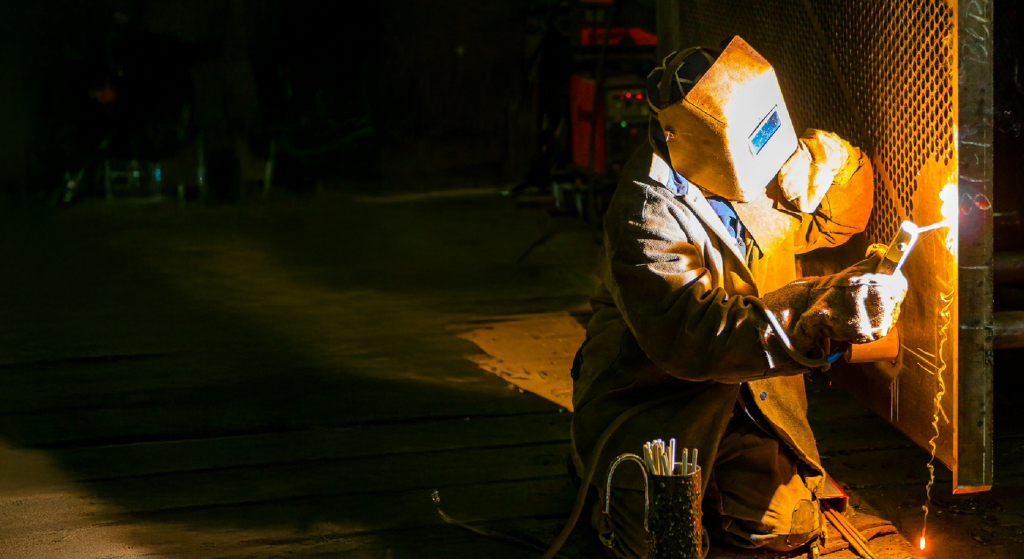
The Hidden Cost of a Bad Hire in Civil Construction: Productivity, Safety and Delays
In today’s civil construction and infrastructure environment, hiring decisions carry more weight than ever. Projects are under pressure from tight timelines, cost escalation, labour shortages and increasing compliance expectations. While most hiring conversations focus on speed and availability, the real risk often sits elsewhere: the cost of getting it wrong. A bad hire in civil…

The Cost of the Trade Shortage: Why Infrastructure Electricians Are the New Gold
Across NSW and Victoria, major infrastructure investment is accelerating at a rate unmatched by workforce growth. Rail expansions, tunnelling corridors and large-scale road projects are placing unprecedented strain on the supply of specialist electricians, and the downstream impacts on labour-hire cost, project scheduling and workforce strategy are now strategic risks. Infrastructure Is Expanding…

Infrastructure Skills Gap: Why 197,000 Workers Are Needed by 2025 (and what hiring teams can do about it)
Australia is in the midst of a once-in-a-generation infrastructure boom. But ambitious pipelines of roads, rail, energy and utilities projects are bumping against a hard reality: a deep and growing infrastructure skills gap. In fact, recent forecasts suggest that we will need 197,000 additional infrastructure workers to meet demand in 2025. The scale…
CONNECT PEOPLE SIGNS “THE PLEDGE” WITH SOLDIER ON
Connect People are proud to announce an exciting new partnership with Soldier On as a Bronze Pledge Partner. Founded in 2012, Soldier On has grown into Australia’s only national, fully integrated support services provider for members of the Australian Defence Force (ADF) and their families. Through the delivery of holistic services, Soldier On provides support to those who…

Connect People appoints Indigenous Ambassador, Dean Rioli
Connect People are proud to announce the engagement of Dean Rioli as our Indigenous Ambassador. Dean is committed to improving Indigenous health and wellbeing, working to reduce economic disadvantage and exclusion by linking Aboriginal people to jobs and the creation of businesses capabilities. Connect People and Dean will be working together to support our Clients in…

SUPPORTING BACKPACKS 4 VIC KIDS
Connect People is proud and excited to be actively supporting Backpacks 4 VIC Kids, a registered not-for-profit charitable organisation run by volunteers. Their purpose is to aid displaced children by providing the essentials needed most urgently, long before any arrangements have been made to further support them. For example, often children are placed quickly into foster…
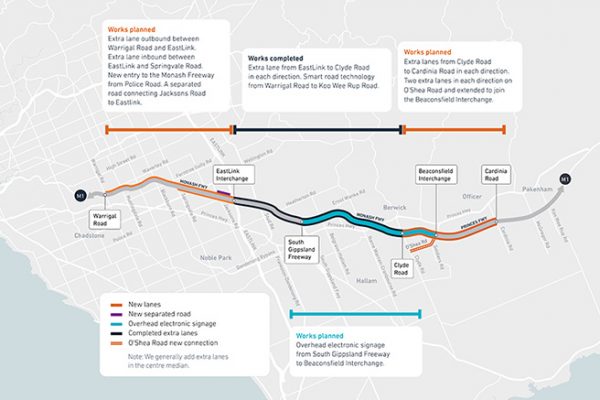
CONNECT PEOPLE ENGAGED ON MONASH FREEWAY UPGRADE – STAGE 2
Connect People is excited to be a supplier to CPB Contractors – Monash Upgrade (Stage 2). Connect People is proud to be involved with the project. Image courtesy of Major Roads Projects Victoria. Monash Stage 2 Construction commenced in early 2020 and expect to complete construction in 2022. For Stage 2, we’ll: add 36kms of new…
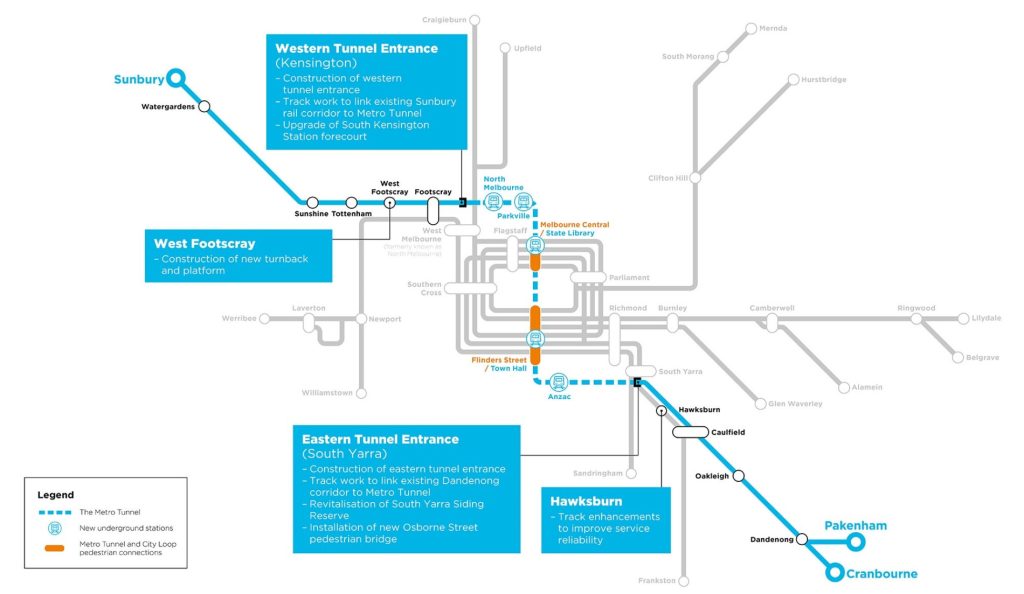
CONNECT PEOPLE SUPPORTS RAIL INFRASTRUCTURE ALLIANCE (RIA)
Connect People is excited to be a supplier to Rail Infrastructure Alliance (RIA), the last major contract awarded as part of the Metro Tunnel project. The RIA consortium comprises John Holland, CPB Contractors and AECOM, and is responsible for delivering the tunnel entrances in South Yarra and Kensington. Connect People is proud to be involved…
LABOUR HIRE LICENSING IS HERE
Labour Hire Providers operating in the state of Victoria must now hold a Labour Hire License (LHL) to operate legally under the Labour Hire Licensing Act 2018 (Vic). The legislation came into effect on 29 April 2019, with the Labour Hire Authority overseeing a 6 month transition period allowing providers time to lodge a license…

CONNECT PEOPLE ENGAGED ON MONASH UPGRADE
Connect People is excited to be a part of an exciting Victorian infrastructure initiative – the Monash Freeway Upgrade Project. Supplying workforce services to principal contractor Fulton Hogan, Connect People will support the delivery of the project which will see additional lanes from EastLink to Clyde Road and improved traffic flow through the implementation of smart…